How to Cancel Cable Without Getting Stung on the Way Out
To cancel cable cleanly you need three things before you pick up the phone: your contract end date, a replacement you have already tested, and a plan for returning the equipment. Skip any of those and the savings get eaten by fees nobody mentions until the final bill arrives. A replacement you have already tested — a USAStreamNow plan, for example — is what makes the call painless.
Last updated: August 23, 2026
The charges that show up after you cancel cable
The monthly saving is easy to calculate. The exit costs are the part people miss, and they are where a clean break turns into an argument three months later.
| Charge | Typical amount | How to avoid it |
|---|---|---|
| Early termination fee | $10–$20 per remaining month | Wait until the contract ends, or ask if it is prorated |
| Unreturned equipment | $150–$300 per box | Return everything, keep the receipt |
| Final partial month | Varies by provider | Cancel at the end of a billing cycle, not mid-cycle |
| Reconnection fee | $25–$60 | Only applies if you change your mind, so test first |
| Internet rate increase | $10–$30 per month | Ask for the internet-only price before cancelling |
The equipment charge is the one that catches most people. Providers bill unreturned boxes at full replacement value, and a receipt from six months ago is the only thing that settles a dispute.
Do this in the right order
Sequence matters more than anything else here. Cancelling first is the mistake that costs money.
| Do this | Before or after cancelling | Why |
|---|---|---|
| Test a replacement service | Before | So you are never without television |
| Get your contract end date | Before | Decides whether waiting saves money |
| Ask the internet-only price | Before | Bundle savings can vanish |
| Note the confirmation number | During | Your only proof the call happened |
| Return every box | Within 7–10 days | Avoids replacement-value billing |
| Check the final bill | 30–45 days after | Catches charges that should not be there |
The logic is simple: you want a working replacement running before you lose anything, and you want proof of every step afterwards.
The retention call, and what they will offer
Expect to be transferred at least once. Retention departments exist specifically to stop you, they have discounts front-line staff cannot access, and they will use them.
None of that is a trick, it is just how the business works. But the offers follow patterns, and knowing them makes the call much shorter.
| They say | What it means | Reasonable answer |
|---|---|---|
| “I can drop your bill to $89 for 12 months” | Promotional rate, reverts after a year | Ask what it becomes in month 13 |
| “You will lose your bundle discount” | Internet may cost more standalone | Ask for the internet-only rate in writing |
| “Let me transfer you to retention” | Standard escalation, expect a better offer | Fine, but hold your decision |
| “You will lose local channels” | Partly true depending on market | Verify during a trial before you decide |
| “There is a cancellation fee” | True only if under contract | Ask for the exact amount and end date |
The question that cuts through all of it is: what will this cost in month thirteen? Almost every retention offer is a promotional rate with an expiry, so if you accept one, put a reminder in your phone for eleven months' time, because you will be making this call again.
If you genuinely intend to leave, say so once, politely, and decline the offers. Dragging it out does not get you a better deal, it just makes the call longer.
Timing it against your billing cycle
Most providers do not prorate a final month, which means cancelling on the second day of a cycle can mean paying for twenty-eight days of television you will not watch.
Find your billing date on any recent statement and aim to cancel within the last few days of a cycle. It is a small detail that is worth roughly one month's subscription, and it costs nothing but timing.
If you are still inside a contract, weigh the early termination fee against the months remaining. When there are only two or three left, waiting is usually cheaper than paying to leave early.
Line up the replacement first
Whatever you move to, have it working before the cable goes off. That means installed on the main television, signed in, and tested during a busy evening rather than a quiet afternoon.
Install on your main TV
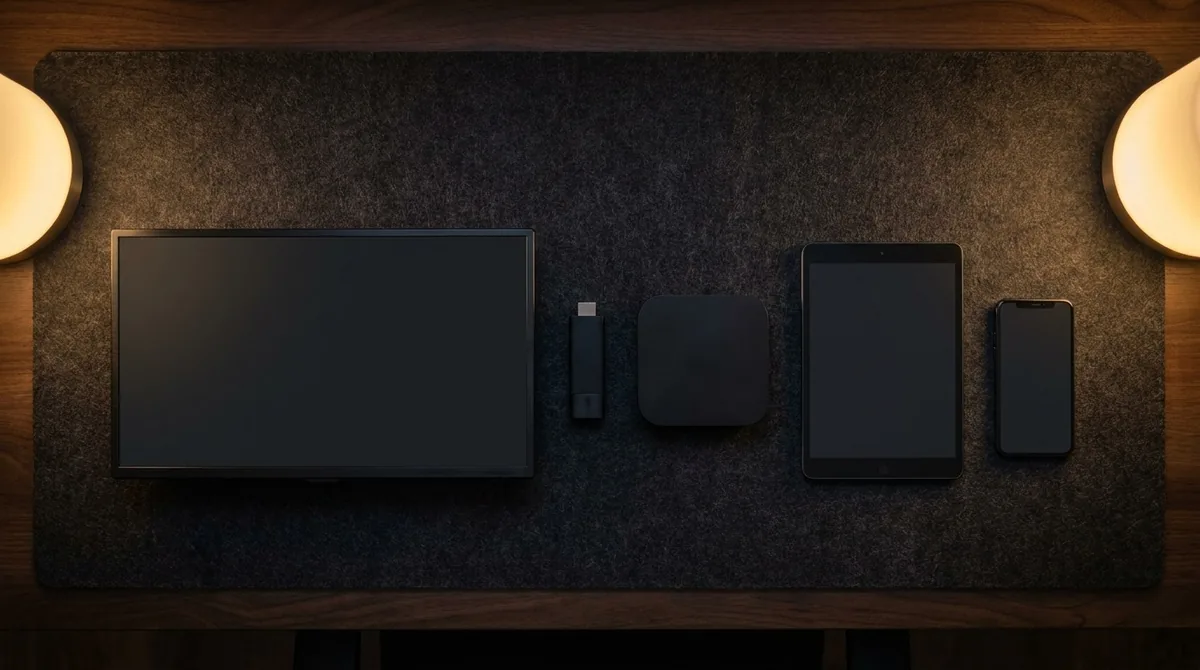
Device walkthroughs are available for Firestick and Smart TV. Fifteen minutes is normal.
Use a cable, not Wi-Fi
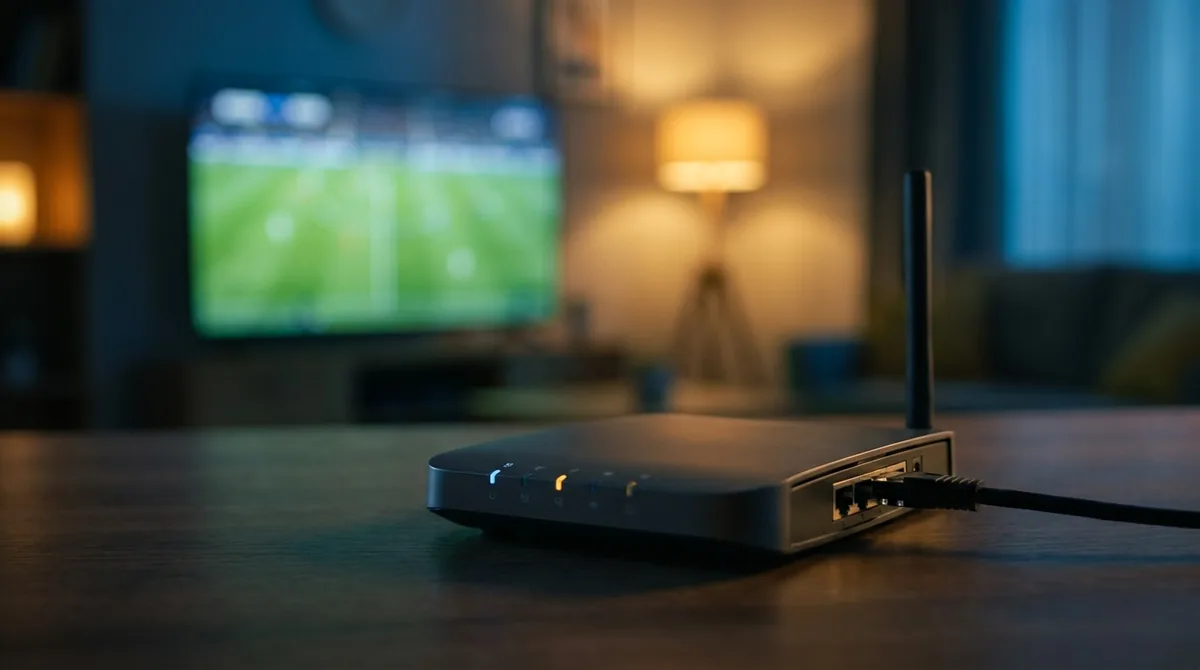
If the television is near the router, connect it directly. A six-dollar ethernet cable prevents most of the streaming complaints people blame on the service.
Test at peak time
Watch something live on a weekday evening or a Saturday afternoon. That is when networks are congested, and it is the only test that tells you anything useful.
Check the channels you actually care about
Especially sports and local stations. There are specific breakdowns for NFL coverage and for getting ESPN without cable, and a wider cost comparison on the cable alternative page.
What replaces it, and what that costs
An IPTV subscription runs $15 for one month, $50 for six, or $65 for twelve, which works out at $5.42 a month on the annual plan. There is no equipment to rent because you use hardware you already own, no installation appointment, and no minimum term. The current rates sit on the plans and pricing section of the homepage.
Set against a cable bill in the $118 to $167 range, the annual difference is somewhere between $1,300 and $1,900. That gap is the entire reason people go through the hassle of the retention call.
Getting your DVR recordings off first
This is the one nobody warns you about. Everything recorded to a cable DVR lives on that box, and the box goes back when you cancel. Those recordings are gone permanently, and there is no export button.
Spend ten minutes going through them before you make the call. For most people the honest conclusion is that nothing on there mattered, but that is a much better feeling than discovering it afterwards. Some boxes have an output you can record from if something genuinely matters, though the quality is poor and it runs in real time.
Going forward, on-demand libraries replace most of what a DVR was used for. What they do not replace is recording a live event to watch later, so if that is a habit, it is a real change rather than a cosmetic one.
The final bill, and what to check on it
The statement that arrives thirty to forty-five days after you cancel cable is where mistakes surface, and it is worth actually reading rather than paying on autopilot.
Check three things. That the service charge stops on the date you were told. That no equipment fee appears, and if one does, that you still have the return receipt. And that any early termination fee matches the figure you were quoted on the call, not a larger one.
Disputes are far easier to win in the first sixty days while the confirmation number and receipt are still fresh, which is the whole reason for keeping them.
What genuinely changes
Worth being straight about the trade-offs, because they are real even if they are small.
Your DVR recordings go with the box and cannot be exported. Your television now depends on your internet connection, so an outage takes both. And you lose the cable company's phone support, replaced by whatever your new provider offers.
What does not change is the channels themselves, the picture quality, or your ability to watch on several devices. For most households the trade is straightforwardly worth it, but it is not nothing.
Frequently asked questions
These are the questions that come up most often once someone has actually decided to cancel cable and started thinking about the details.
Can I cancel cable online?
Some providers allow it, many still require a phone call, and a few require a visit to a store. Check your provider's specific process before setting aside time.
Will I lose my internet if I cancel the TV?
No. They are separate services even when bundled. The internet rate sometimes rises when the bundle breaks, so ask for the standalone price first.
How long do I have to return the equipment?
Usually seven to ten days, though it varies. Return everything, get a receipt, and keep it for at least six months in case a charge appears later.
What if I am still under contract?
You will normally owe an early termination fee based on the months remaining. Ask for the exact figure and end date, then compare it against the cost of waiting.
Will I still be able to watch local channels?
It depends on your market. An antenna covers the major networks free, and many streaming services carry locals, but coverage varies. Verify yours before cancelling.
Can I go back if I do not like it?
Yes, though a reconnection fee usually applies and you will likely lose whatever promotional rate you had. This is exactly why testing before cancelling matters.
Test before you make the call
Get a replacement running and watch something live at peak time before you cancel anything, so you are never without television and never paying a reconnection fee.
See Plans & Pricing Free IPTV Test